
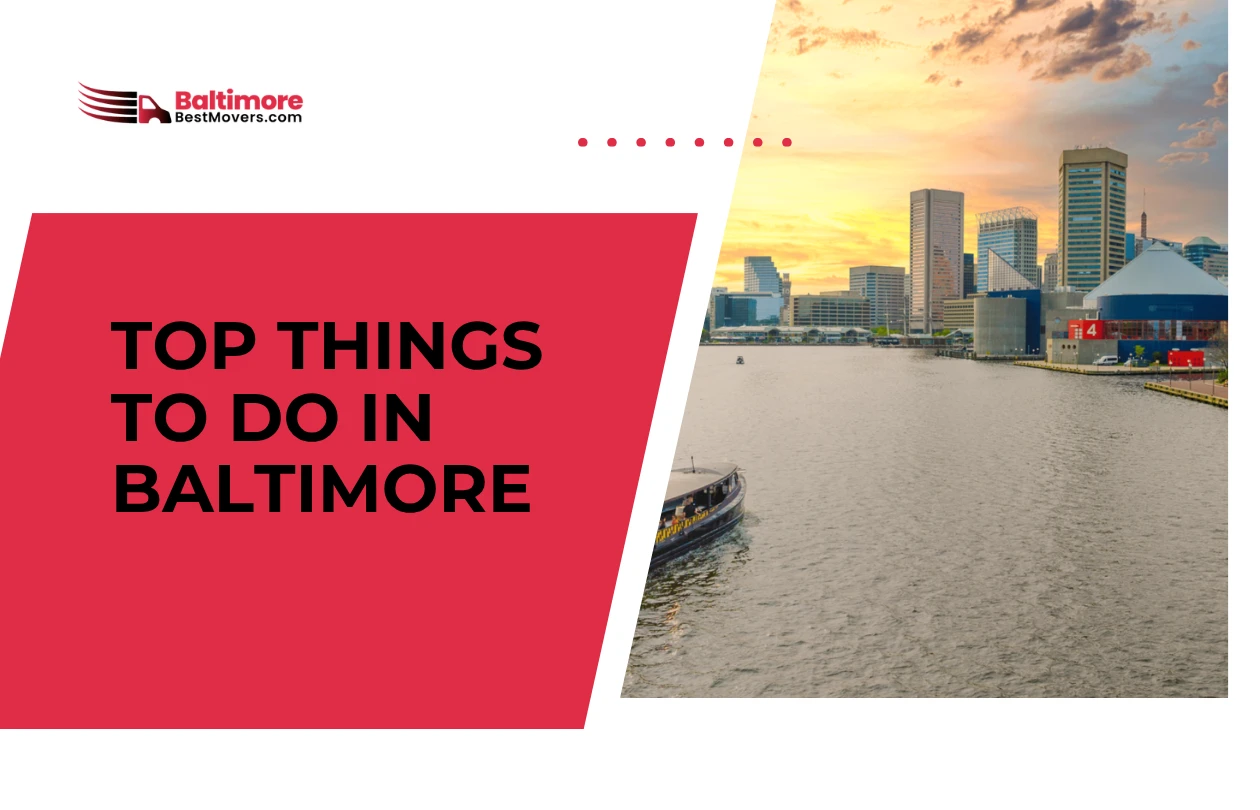
Top Things to Do in Baltimore
Baltimore, often called “Charm City,” is a vibrant Mid-Atlantic destination blending cultural and historical attractions. The city’s identity is rooted in its past, with museums, monuments, and neighborhoods preserving its rich heritage. From the bustling Inner Harbor to historic districts, Baltimore offers experiences for visitors seeking education, entertainment, or relaxation.
The National Aquarium welcomes over 1 million visitors annually, showcasing marine ecosystems from coral reefs to rainforests. Fort McHenry National Monument connects guests to the War of 1812, where the Star-Spangled Banner was inspired. Patterson Park covers 137 acres with trails, green space, and a striking pagoda. Artscape, the nation’s largest free arts festival, draws 350,000 attendees each summer, highlighting Baltimore’s creative vitality.
Local cuisine shines at Lexington Market with iconic crab cakes, while Oriole Park at Camden Yards stands as a premier baseball stadium. Quirky neighborhoods like Hampden and ghost tours add distinct character. With cultural landmarks, outdoor recreation, and seasonal events, Baltimore delivers diverse attractions for both tourists and locals.
Cultural & Historical Experiences
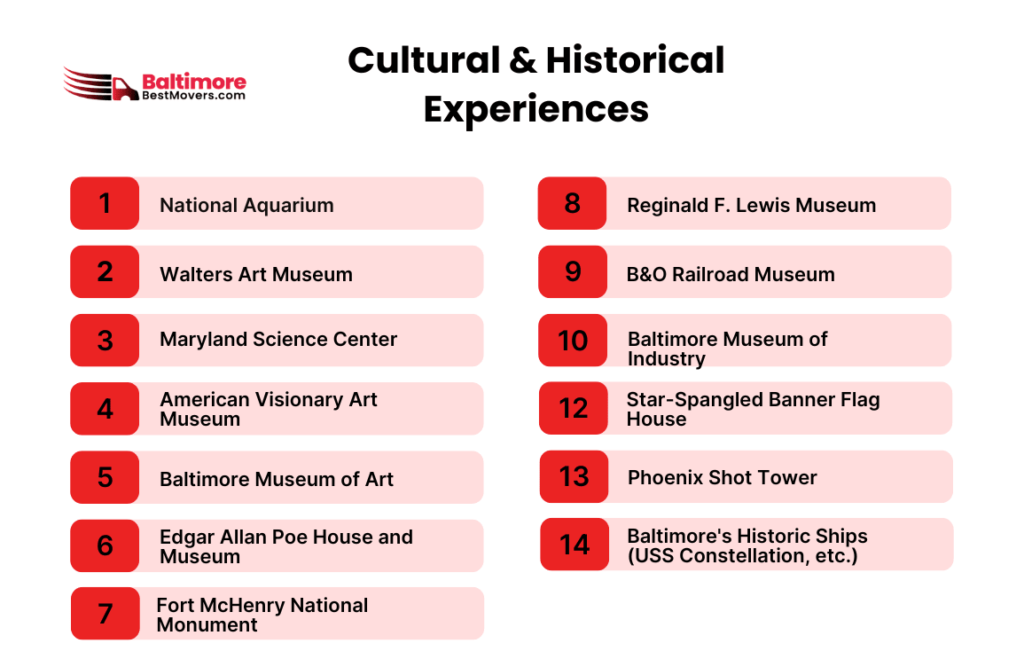
Baltimore is a city rich in history and culture, with museums, monuments, and landmarks that tell the story of America’s past. The range of attractions in Baltimore is wide, from the marine exhibits of the National Aquarium to the literary heritage of the Edgar Allan Poe House and the patriotic legacy of Fort McHenry. With this, visitors can connect with revolutionary battles, artistic milestones, and relive the past.
National Aquarium
The National Aquarium in Baltimore houses more than 20,000 animals, including marine mammals like dolphins, reptiles such as crocodiles, and turtles. Signature exhibits include the Upland Tropical Rain Forest with free-flying birds and sloths, the Atlantic Coral Reef with over 100 fish species, and the Blacktip Reef with sharks and rays. Interactive zones let guests touch jellyfish and horseshoe crabs. In November 2024, the aquarium welcomed its 60 millionth visitor, with community programs reaching 109,558 guests. Attendance averages 1.5 million annually, and adult tickets start at $39.95, with family bundles available.
Walters Art Museum
Holding 36,000 artworks and spanning 7,000 years, the Walters Art Museum is one of the historic museums within the USA. Collections range from Egyptian sarcophagi and Roman statues to Fabergé eggs and illuminated manuscripts. European works by Rembrandt and Hals are displayed alongside Asian ceramics and Byzantine icons. In October 2025, the museum will open From Gérôme to Monet, highlighting 19th-century painting. Contemporary installations by artists such as Tsedaye Makonnen open in March 2025. Admission is free, and guided tours are offered; a visit usually takes 2 to 3 hours. The museum’s Mount Vernon location allows easy pairing with nearby landmarks.
Maryland Science Center
The Maryland Science Center combines interactive learning with family-friendly exhibits. Highlights include Newton’s Alley, where pulleys and pendulums demonstrate physics, and the dinosaur hall with fossil casts and life-size models. The Your Body Adventure zone uses touchscreens to explain human anatomy, while the IMAX theater presents science films. A new Space exhibit opening in fall 2025 will expand astronomy programming. Attendance surpasses 400,000 annually. Admission is $24.95 for adults, with family passes available. STEM programs support schools, and weekend visits often sell out quickly.
American Visionary Art Museum
Celebrating self-taught artists, the American Visionary Art Museum presents bold sculptures, paintings, and mixed media. The 30th-anniversary show Fantastic Realities features 130 imaginative works, while Mary Proctor’s fiber art exhibit opens in August 2025. Visionaries such as Howard Finster and Judith Scott reflect raw creativity and social commentary, hallmarks of outsider art. Attendance averages 50,000 annually, with adult tickets priced at $20. Rotating exhibitions ensure fresh experiences, positioning this museum as Baltimore’s hub for unconventional and thought-provoking artistic expression.
Baltimore Museum of Art
Renowned for the world’s largest Matisse collection, the Baltimore Museum of Art preserves 95,000 works across cultures and eras. The Cone Collection includes 1,000 Matisse pieces, while visitors also view Picasso, African sculpture, and American colonial paintings. Admission remains free, with Thursday evenings extending to 9 p.m. Yearly attendance approaches 200,000. Major 2025 exhibits include Amy Sherald: American Sublime in November and Wangechi Mutu: My Cave Call in May, expanding the museum’s cultural reach.
Edgar Allan Poe House and Museum
Step into the Edgar Allan Poe House to experience the writer’s life in Baltimore during the 1830s. Within this museum, visitors see manuscripts, a portable writing desk, and first-edition works, accompanied by guided tours that explain Poe’s struggles and breakthroughs. The International Edgar Allan Poe Festival, held October 3–5, 2025, marks the 175th anniversary of his death with readings and awards. This museum cements Baltimore’s role in Poe’s literary legacy. Admission is $8, with tours lasting about 45 minutes.
Fort McHenry National Monument
Fort McHenry, guarding the entrance to Baltimore Harbor, became famous during the War of 1812 when its defense against British attack in 1814 inspired The Star-Spangled Banner. Today, visitors can walk the ramparts, view flag exhibits, and explore stories of both the War of 1812 and the Civil War. Attendance reached 394,175 in 2024, confirming its enduring role as a patriotic site. Admission is $15 per vehicle, with ranger talks and seasonal reenactments adding depth to the experience.
Reginald F. Lewis Museum
The Reginald F. Lewis Museum highlights African American history through 11,000 artifacts spanning 400 years. Exhibits feature slavery-era records, photography archives, and fine art celebrating resilience and achievement. A major exhibition, TITAN: The Legacy of Reginald F. Lewis, is currently on view through April 2026, exploring the life of the trailblazing businessman who built a $2 billion empire. The museum welcomes about 20,000 visitors annually. Admission is $12, open Wednesday through Sunday, fostering education and cultural reflection.
B&O Railroad Museum
Tracing the story of America’s first railroad, the B&O Railroad Museum covers 40 acres of preserved history. The Civil War locomotive collection presented in the B&O Railroad Museum is the largest in the world. Visitors see the Underground Railroad exhibit, the Model Train Gallery, and the Roundhouse with engines like the 1831 Pioneer. Attendance exceeds 100,000 annually, and tickets are $20, with daily tours offered. A campus transformation project, launched in May 2025, is currently underway to expand interactive and educational experiences.
Baltimore Museum of Industry
Housed in a restored 1865 cannery, the Baltimore Museum of Industry traces the city’s manufacturing legacy. Exhibits showcase shipbuilding through scale models, textile production with working looms, and food processing with oyster shucking machines. A current exhibition, Collective Action, examines modern labor activism and workplace rights. The museum welcomes about 50,000 visitors annually, with admission priced at $10 and hours Tuesday through Sunday. Live demonstrations and immersive reconstructions highlight how Baltimore’s industries helped shape American economic progress.
Star-Spangled Banner Flag House
Preserving the home of Mary Pickersgill, the Star-Spangled Banner Flag House tells the story of the flag that flew at Fort McHenry in 1813. The 30-by-42-foot banner inspired Francis Scott Key to write the national anthem. Visitors watch films, view artifacts, and tour the historic house. Admission is $12, open Wednesday through Sunday. Annual Flag Day events on June 14 honor this heritage, reinforcing the site’s importance to Baltimore and American identity.
Phoenix Shot Tower
Built in 1828, the Phoenix Shot Tower once stood as the tallest structure in the United States. Workers dropped molten lead from 215 feet, producing 2.5 million pounds of ammunition each year until 1892. The tower symbolizes Baltimore’s industrial rise and remains a National Historic Landmark. Exterior views are free, and limited interior tours highlight its unique construction. Today, the tower connects modern visitors to the city’s early manufacturing legacy.
Baltimore’s Historic Ships (USS Constellation, etc.)
Moored at the Inner Harbor, Baltimore’s Historic Ships fleet preserves vital chapters of naval and maritime history. The USS Constellation, launched in 1854, patrolled against the slave trade and later served during the Civil War. The USS Torsk earned distinction by sinking Japan’s last warship in World War II, while the USCGC Taney survived the attack on Pearl Harbor. Around 200,000 visitors tour these vessels annually. Combined tickets cost $24, with daily tours and educational programs enriching the experience.
Outdoor & Nature Activities
Baltimore offers a wide range of outdoor and nature experiences, with parks, trails, and waterfronts creating scenic escapes within the city. From expansive green spaces to tranquil gardens and urban hiking trails, these attractions combine recreation, relaxation, and history. Families, nature lovers, and fitness enthusiasts enjoy everything from jogging paths to harbor views. With a mix of historic sites and modern amenities, Baltimore’s outdoor spaces remain essential for both leisure and exploration.
Patterson Park
Dating back to the early 1800s, Patterson Park is one of Baltimore’s oldest and most beloved green spaces. The park features open lawns, ponds, and the Victorian-style Patterson Park Pagoda, a popular landmark with panoramic views. Walking paths, playgrounds, and sports fields support year-round activities. Families enjoy picnicking and seasonal festivals, while joggers and cyclists use the trails daily. Accessible from multiple neighborhoods, the park remains a central hub for community gatherings and outdoor recreation.
Druid Hill Park
Historic Druid Hill Park spans nearly 750 acres, offering one of Baltimore’s largest and most scenic outdoor escapes. The park includes the Druid Hill Reservoir, landscaped gardens, and wooded trails. It also houses the Maryland Zoo, a major attraction for families. With roots tracing to the mid-1800s, the park played an important role as one of the country’s first large municipal parks. Today, it hosts concerts, cultural festivals, and community fitness events throughout the year.
Patapsco River Cruise
Gliding along the Patapsco River offers one of the most relaxing ways to experience Baltimore’s waterfront. Cruises range from sightseeing journeys to history-focused tours that highlight landmarks such as Fort McHenry and the Inner Harbor. Daytime trips emphasize scenic beauty, while evening cruises showcase illuminated city views. Tickets vary by operator, but most options last 1-2 hours. Visitors book in advance, especially during summer weekends, making the river cruise a consistent favorite.
Gwynns Falls Trail
Stretching 15 miles, the Gwynns Falls Trail follows a stream that connects Baltimore’s natural and urban landscapes. The path winds through parks, historic sites, and neighborhoods, creating a diverse outdoor experience. Cyclists, hikers, and birdwatchers use the trail for recreation and nature observation. Key entry points make it accessible across the city, linking areas such as Carroll Park and Leakin Park. Photography spots, wooded areas, and community green spaces make the trail a valued urban escape.
Rawlings Conservatory & Botanic Gardens
Founded in 1888, Rawlings Conservatory is one of the oldest glass conservatories in the United States. Its historic structure contains tropical, desert, and Mediterranean plant houses, while the exterior gardens change seasonally with flowers and native plants. The conservatory plays a role in education and conservation, offering tours and school programs. Admission is modest, with hours Wednesday through Sunday. Seasonal shows, including orchid and spring flower displays, attract both locals and traveling garden enthusiasts.
Federal Hill Park
Rising above the Inner Harbor, Federal Hill Park provides some of the most famous views in Baltimore. Visitors enjoy sweeping panoramas of downtown, Harbor East, and the waterfront. Historically, the site played a role in the War of 1812 as a defensive position. Today, it combines scenic overlooks with open lawns for picnics, walking, and photography. Federal Hill’s location near museums and restaurants adds convenience, making it a must-visit stop for both tourists and residents.
Middle Branch Park
Located along the Patapsco River, Middle Branch Park offers a quieter alternative to Baltimore’s busier green spaces. The park includes sports fields, playgrounds, and fishing piers, along with access to the Gwynns Falls Trail. Visitors kayak, jog, or enjoy leisurely picnics along the water. Its wide open views of the harbor provide a scenic backdrop for community events. The combination of recreation and waterfront access makes Middle Branch a versatile space for year-round enjoyment.
Baltimore Water Taxi Rides
Exploring the harbor by water taxi combines convenience with a scenic travel option. Routes connect key destinations such as the Inner Harbor, Fell’s Point, and Canton, making it a practical way to see multiple attractions. Families often choose the taxi for sightseeing, while commuters appreciate its ease of use. Ticket prices are affordable, with daily passes available. Seasonal demand peaks during summer, but year-round service ensures reliable access to Baltimore’s waterfront highlights.
Jones Falls Trail
Running for 10 miles, the Jones Falls Trail links downtown Baltimore to Druid Hill Park and beyond. The trail passes landmarks such as the Maryland Zoo, the Jones Falls stream, and Falls Road. Cyclists and walkers use it for both exercise and urban exploration. Multiple entry points make access simple, and the trail’s mix of wooded stretches and city views adds variety. Visitors find it ideal for day hikes, weekend rides, and photography opportunities.
Historic Neighborhoods & Districts
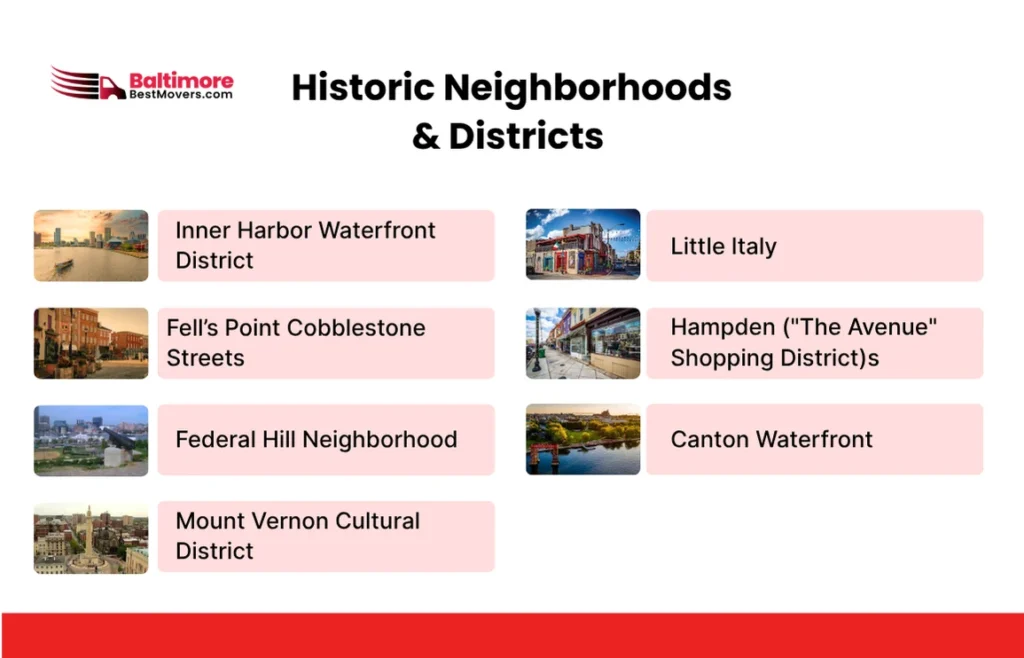
Baltimore’s historic neighborhoods reflect a blend of charm, culture, and architecture that reveal the city’s layered history. Each district presents a distinct character, from cobblestone streets and cultural landmarks to waterfront promenades and vibrant dining scenes. These areas evolved over centuries, serving as foundations of Baltimore’s identity.
Inner Harbor Waterfront District
At the heart of Baltimore tourism, the Inner Harbor combines history, attractions, and waterfront scenery. Visitors explore the National Aquarium, shop at Harborplace, and tour historic ships docked along the piers. The harbor also reflects Baltimore’s maritime legacy as a key trade center. Boat rides, seafood restaurants, and nearby hotels make it a hub for tourists. Each year, millions visit the harbor, making it one of the most recognizable and photographed locations in the city.
Fell’s Point Cobblestone Streets
Cobblestone streets and colonial-era buildings define Fell’s Point, one of Baltimore’s oldest waterfront neighborhoods. Founded in the 1760s, it played a major role in shipbuilding and commerce. Today, visitors stroll through pubs, boutiques, and seafood restaurants along the waterfront. The area thrives at night with lively music and taverns. Fell’s Point preserves both maritime history and modern entertainment, creating a balance of old and new. It remains a perfect destination for daytime walks and evening outings.
Federal Hill Neighborhood
Overlooking the Inner Harbor, Federal Hill offers some of Baltimore’s most striking views. The neighborhood gained importance during the War of 1812, when its high ground served as a military site. Today, Federal Hill Park provides open lawns, walking paths, and panoramic cityscapes. Nearby shops, restaurants, and historic rowhouses add to the charm. Local events and festivals reinforce its community spirit. Federal Hill combines history and leisure, making it one of Baltimore’s most visited neighborhoods.
Mount Vernon Cultural District
Mount Vernon serves as Baltimore’s cultural center, filled with historic architecture and leading institutions. The district hosts the Walters Art Museum, the Peabody Institute, and the Baltimore Symphony Orchestra, anchoring the arts scene. Visitors admire monuments, galleries, and theaters while exploring the tree-lined streets. The neighborhood’s 19th-century mansions reflect Baltimore’s wealth during that era. Walking tours and performances make Mount Vernon a destination for culture seekers. It remains one of the city’s most elegant districts.
Little Italy
Nestled near the Inner Harbor, Little Italy charms visitors with authentic cuisine and lively traditions. The neighborhood is home to family-run restaurants serving pasta, seafood, and pastries. Annual events such as St. Gabriele’s Feast Day highlight Italian heritage with music, parades, and food. Quaint streets invite exploration, offering both history and community spirit. Little Italy continues to thrive as a cultural hub, drawing locals and tourists alike for meals, festivals, and authentic neighborhood experiences.
Hampden (“The Avenue” Shopping District)
Quirky and vibrant, Hampden is known for its eclectic shopping and unique sense of style. The Avenue, the neighborhood’s main street, features vintage stores, independent boutiques, and trendy cafes. Each June, the HonFest festival celebrates local culture with costumes, food, and music. Colorful storefronts and artistic murals create a distinctive character. Visitors stroll along The Avenue to shop, dine, and enjoy seasonal events. Hampden represents Baltimore’s creative spirit and has become one of its liveliest communities.
Canton Waterfront
Located along the Patapsco River, Canton Waterfront blends scenic beauty with an active lifestyle. The area offers a waterfront park, marinas, and trails perfect for walking and jogging. Popular restaurants and bars line the streets, making it a dining destination day and night. Boating and kayaking add recreational appeal. Canton’s lively yet relaxed atmosphere attracts both young professionals and families. Visitors enjoy combining outdoor activity with meals overlooking the harbor, making Canton a popular year-round neighborhood.
Family-Friendly Activities
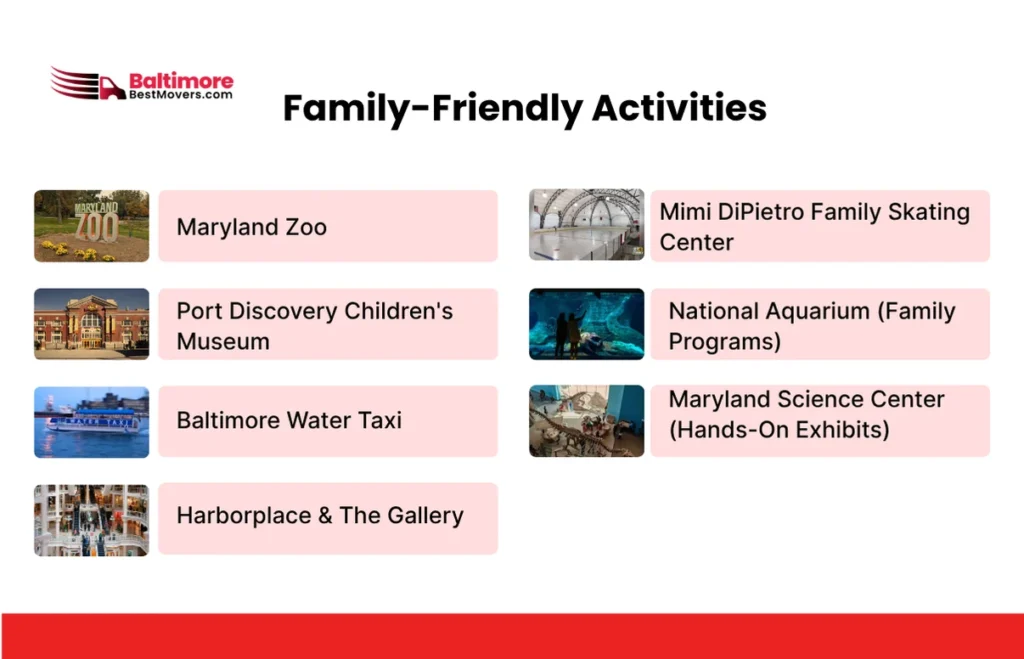
With its zoos, aquariums, interactive museums, and waterfront attractions, Baltimore provides families with experiences that combine education and entertainment. Children enjoy hands-on exhibits, outdoor adventures, and animal encounters, while parents appreciate the convenience of central locations and affordable options. From Harborplace shopping to science exhibits, Baltimore balances fun and learning. These activities make the city a reliable choice for families seeking memorable outings that appeal to both children and adults.
Maryland Zoo
Founded in 1876, the Maryland Zoo is one of the oldest zoos in the United States. Its African Journey features lions, giraffes, and elephants, while the Polar Bear Watch remains a visitor favorite. Conservation programs highlight endangered species and support education. Families join interactive programs such as animal encounters and zookeeper talks. Annual visitors number more than 400,000. General admission is about $24, with discounted family bundles available, making it a popular year-round attraction.
Port Discovery Children’s Museum
Interactive exhibits make Port Discovery one of Baltimore’s most engaging children’s museums. Families explore SkyClimber, Adventure Expeditions, and The Studio for arts and play. Learning through hands-on discovery drives the museum’s mission, with rotating exhibits keeping experiences fresh. Annual visitors exceed 250,000, and group programs attract schools across Maryland. Tickets cost $21.95 for ages two and up. The museum’s downtown location ensures accessibility, making it a favorite stop for families seeking both fun and education.
Baltimore Water Taxi
Connecting families to waterfront attractions, the Baltimore Water Taxi offers routes to Inner Harbor, Fell’s Point, and Canton. Children enjoy the novelty of travel by boat, while parents value its convenience. A daily pass costs around $20, with discounts for children. The taxi doubles as transportation and sightseeing, offering views of historic ships and modern skylines. Families often combine rides with museum visits, making it a flexible and affordable addition to a day in Baltimore.
Harborplace & The Gallery
Harborplace and The Gallery offer a mix of shopping, dining, and entertainment on the waterfront. Families find a variety of casual restaurants and kid-friendly shops within walking distance of the Inner Harbor’s attractions. Seasonal performances and outdoor events keep the atmosphere lively. Accessibility and parking make it practical for parents. Families often pair visits with nearby museums or aquarium trips. With both convenience and variety, Harborplace remains a core family-friendly destination downtown.
Mimi DiPietro Family Skating Center
Located in Patterson Park, Mimi DiPietro Family Skating Center provides year-round ice skating for all ages. Open skate sessions, lessons for beginners, and family passes make it accessible. Seasonal programs and group rentals add flexibility for school outings or birthday parties. Admission is under $10, making it affordable for families. Its central location within Patterson Park allows parents to combine skating with playgrounds, walking trails, or picnics, creating a balanced recreational experience.
National Aquarium (Family Programs)
Family-focused programming enhances the National Aquarium experience. Sleepovers, animal encounters, and interactive tours add to the educational value. Children engage with exhibits like the Amazon Rainforest and Jellies Invasion, while parents appreciate conservation messages. Family tickets are available, with discounts offered during community days. Early mornings are recommended for families seeking fewer crowds. With more than 1.5 million visitors annually, the aquarium ranks among the nation’s leading destinations for family-based learning and recreation.
Maryland Science Center (Hands-On Exhibits)
Hands-on learning defines the Maryland Science Center’s family appeal. Children explore Newton’s Alley for physics experiments, the dinosaur hall for paleontology, and the Your Body Adventure for anatomy lessons. Parents value the balance of fun and education, with the IMAX theater and planetarium adding immersive experiences. The center attracts 400,000 annual visitors, including large school groups. Tickets cost about $25 for adults and $20 for children. Its harborfront location makes it easily accessible for families.
Festivals & Special Events
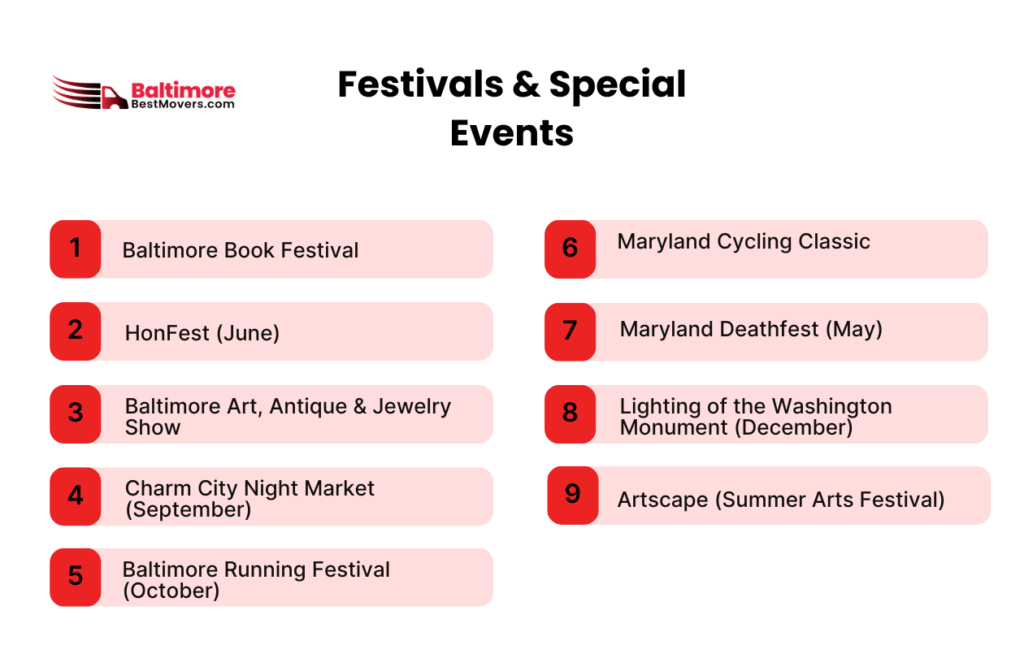
Baltimore hosts festivals and events year-round, celebrating literature, art, music, food, and sports. These gatherings reflect the city’s cultural diversity while uniting communities and attracting national visitors. From neighborhood block parties to international showcases, events range from family-friendly celebrations to specialized festivals that draw global audiences. Seasonal timing adds variety, ensuring there is always something happening in the city. Festivals serve as cornerstones of Baltimore’s cultural identity, reinforcing its reputation as a vibrant urban destination.
Baltimore Book Festival
Highlighting literature and ideas, the Baltimore Book Festival brings together authors, publishers, and readers. The event features book signings, panel discussions, and children’s programs. Local food vendors and live music add atmosphere. The festival promotes literacy and supports Maryland writers. Attendance reaches thousands each year, with free entry ensuring accessibility. Located at the Inner Harbor, it offers a scenic backdrop for a weekend of storytelling, education, and cultural exchange among authors and readers.
HonFest (June)
Colorful parades and costumes define HonFest, a June event rooted in Baltimore’s local traditions. The celebration honors the city’s “Hon” culture, complete with beehive hairdos, vibrant outfits, and retro themes. Visitors enjoy food stalls, craft vendors, and live performances. Community involvement remains central, with contests and family-friendly activities. Held in Hampden, the festival draws tens of thousands annually. HonFest showcases Baltimore’s humor and creativity, keeping neighborhood traditions alive in a festive and welcoming environment.
Baltimore Art, Antique & Jewelry Show
Collectors and enthusiasts attend the Baltimore Art, Antique & Jewelry Show, one of the largest events of its kind in the United States. Exhibitors display fine art, vintage jewelry, and rare antiques. Dealers and galleries from around the world participate, attracting both serious buyers and casual visitors. The event also hosts educational lectures and appraisals. Admission fees apply, but the high-quality displays make it a draw for international collectors. The show takes place each August.
Charm City Night Market (September)
Celebrating Baltimore’s Asian American community, the Charm City Night Market fills downtown streets with food vendors, artisans, and live performances. The event emphasizes cultural exchange, with traditional dishes, crafts, and music creating an energetic atmosphere. Crowds explore market stalls while enjoying street performances and art displays. Held each September, the event attracts both locals and visitors seeking authentic flavors and cultural discovery. Its festive spirit highlights the city’s growing diversity and creative energy.
Baltimore Running Festival (October)
Runners from around the world gather for the Baltimore Running Festival, held every October. The event includes a marathon, half-marathon, 5K, and relay races, attracting athletes of all levels. Spectators line the streets, cheering as participants pass major city landmarks such as the Inner Harbor and Camden Yards. Community involvement is strong, with charities benefiting from proceeds. With thousands of runners and supporters, the festival highlights Baltimore’s athletic spirit and civic pride each fall.
Maryland Cycling Classic
Professional cyclists compete in the Maryland Cycling Classic, the state’s largest international cycling race. The event attracts top riders and global media attention, positioning Baltimore as a sports hub. Routes highlight scenic cityscapes and surrounding areas, offering challenging terrain. Spectators line the streets, with family-friendly activities adding to the event’s appeal. Held annually, the Classic promotes fitness, tourism, and international recognition. Its mix of competition and celebration strengthens Baltimore’s role in professional sports.
Maryland Deathfest (May)
Heavy metal fans flock to Baltimore each May for Maryland Deathfest, one of the largest metal festivals in North America. International bands headline alongside niche performers, attracting a global audience. Multiple venues host concerts, creating a citywide atmosphere of energy and intensity. Vendors sell records, merchandise, and food. The festival’s reputation for quality lineups and dedicated fans secures Baltimore’s place in the international music scene. Attendance numbers reach thousands, sustaining the event’s long-term popularity.
Lighting of the Washington Monument (December)
Holiday cheer fills Mount Vernon during the annual Lighting of the Washington Monument each December. The historic marble column becomes the centerpiece for music, fireworks, and community festivities. Families gather for seasonal treats and performances. The event is free, attracting large crowds who celebrate together. Local vendors contribute to the festive mood. This tradition connects history with modern celebration, marking the beginning of Baltimore’s holiday season and strengthening community bonds year after year.
Artscape (Summer Arts Festival)
Artscape stands as the largest free arts festival in the United States, drawing over 350,000 visitors each summer. The event features visual art, theater, live music, and dance performances across downtown Baltimore. Local artists gain exposure alongside national talent. Food stalls, craft vendors, and family areas enhance the experience. The festival highlights Baltimore’s role as a creative hub while supporting economic activity. Its combination of scale and accessibility makes Artscape central to the city’s cultural identity.
Food & Drink

Baltimore’s food culture blends historic traditions with modern creativity, making it one of the city’s strongest attractions. Local dishes highlight Chesapeake Bay seafood, hearty street foods, and iconic desserts. From world-famous crab cakes to pit beef sandwiches, the city’s flavors reflect its working-class roots and cultural diversity. Markets, tours, and breweries add variety, while neighborhood restaurants preserve authenticity.
Baltimore Crab Cakes (Essential Local Dish)
Known nationwide, Baltimore crab cakes symbolize the city’s culinary identity. Recipes feature fresh blue crab lump meat with minimal filler, often broiled or fried for flavor. Restaurants across the city serve this dish, but Lexington Market and Faidley’s Seafood are iconic stops. Locals debate the best version, but visitors consistently rank it among must-try foods. Prices vary by venue, making it accessible for casual meals or fine dining. Crab cakes remain Baltimore’s most celebrated specialty.
Lexington Market
Operating since 1782, Lexington Market is one of the oldest public markets in the United States. Vendors sell seafood, pit beef, baked goods, and sweets, creating a bustling atmosphere. Crab cakes, fried chicken, and Berger Cookies are long-standing favorites. Recent renovations modernized facilities while preserving heritage. The market draws locals and tourists daily, offering affordable meals and cultural authenticity. It stands as both a food destination and a historic landmark in Baltimore’s culinary landscape.
Cross Street Market
Located in Federal Hill, Cross Street Market combines tradition with modern dining. Dozens of vendors offer seafood, sandwiches, and craft drinks, making it a versatile food hub. Community spirit defines the market, with events and social gatherings reinforcing its local role. Families enjoy casual dining, while young professionals favor trendy stalls. Renovations revitalized the space, blending historic charm with contemporary appeal. Cross Street Market remains a central stop for food lovers exploring Baltimore neighborhoods.
Local Brewery Tours
Craft beer thrives in Baltimore, supported by breweries such as Union Craft Brewing, Heavy Seas Beer, and Waverly Brewing. Guided tours introduce brewing methods and tastings, while taprooms offer seasonal releases. Beer enthusiasts enjoy styles ranging from IPAs to stouts. Brewery districts also host events, pairing food trucks and music with local brews. Tours cost around $10-$20, depending on the venue. Baltimore’s brewery scene reflects creativity and community, providing both education and entertainment for visitors.
Pit Beef at Chaps Pit Beef
Grilled over charcoal, pit beef sandwiches represent Baltimore’s answer to barbecue. Chaps Pit Beef, founded in 1987, popularized the dish with thin-sliced beef served on kaiser rolls. Toppings often include horseradish, onions, and sauces. The eatery remains a city staple, attracting both locals and travelers. National recognition on food networks boosted its fame. Affordable prices and generous portions ensure lasting popularity. Pit beef stands alongside crab cakes as a defining part of Baltimore’s food identity.
Little Italy Food Tour
Guided walks through Baltimore’s Little Italy showcase authentic cuisine and cultural history. Stops include family-owned restaurants, bakeries, and cafes serving pasta, seafood, and pastries. Tour guides share stories of immigration and heritage, enriching the dining experience. Events such as St. Gabriele’s Feast Day highlight community pride. Tours cost about $60 per person and often sell out during summer weekends. Little Italy remains both a cultural hub and a culinary landmark for locals and visitors.
The Urban Oyster
Sustainable seafood takes center stage at The Urban Oyster, a Baltimore restaurant dedicated to local sourcing. Visitors enjoy fresh oysters, crab dishes, and innovative takes on regional classics. The menu emphasizes environmental responsibility, highlighting aquaculture practices that support Chesapeake Bay health. Small-group tastings and food tours add to the experience. Prices are moderate, making it accessible to a broad audience. The Urban Oyster reinforces Baltimore’s reputation as a destination for distinctive and sustainable dining.
Berger Cookies (Baltimore Classic)
Beloved by locals, Berger Cookies are a sweet Baltimore tradition. These soft shortbread cookies topped with thick chocolate fudge date back to the 1800s. Bakeries and markets across the city sell them, with recipes remaining closely tied to the original. Tourists often take them home as souvenirs, while residents enjoy them as everyday treats. Their rich flavor and historic roots cement their role as one of Baltimore’s signature desserts, complementing the city’s savory seafood traditions.
Whiskey Rebellion Trail
The Whiskey Rebellion Trail links Baltimore with historic distilling traditions across the Mid-Atlantic. In the city, stops include Sagamore Spirit Distillery, where guided tours explain production methods and tastings showcase rye whiskey. The trail connects history with craft, referencing the 1790s Whiskey Rebellion and its national impact. Tickets cost about $20–$25 per distillery visit. For enthusiasts, the trail provides a structured way to explore heritage, spirits, and culture while reinforcing Baltimore’s place in American whiskey history.
Sports & Entertainment
Baltimore balances a rich sports culture with diverse entertainment options, making it a destination for fans and visitors alike. Professional teams inspire passionate local support, while theaters, music venues, and nightlife hubs provide year-round activities. Historic stadiums stand alongside concert halls, ensuring both athletic and cultural experiences. From baseball at Camden Yards to symphonies and live shows, Baltimore’s mix of sports and entertainment creates an energetic atmosphere that reflects the city’s character and community spirit.
Oriole Park at Camden Yards (Baseball)
Widely regarded as one of the best ballparks in the country, Oriole Park at Camden Yards combines retro design with modern amenities. Opened in 1992, it redefined baseball stadium architecture. Home to the Baltimore Orioles, it attracts fans with excellent sightlines and a family-friendly atmosphere. The park holds over 45,000 spectators and hosts concerts and events in addition to games. Camden Yards remains central to Baltimore’s sports culture and a must-see stop for baseball enthusiasts.
M&T Bank Stadium (Ravens Football)
Towering over downtown, M&T Bank Stadium hosts the Baltimore Ravens and draws tens of thousands of fans on game days. Opened in 1998, the stadium accommodates 70,000 spectators and features modern amenities, accessible seating, and premium suites. The electric atmosphere during NFL games reflects Baltimore’s strong sports identity. Beyond football, the stadium occasionally hosts concerts and special events. Its location near Camden Yards anchors Baltimore’s stadium district, making it a major hub for entertainment and athletics.
Hippodrome Theatre
Hosting Broadway tours and live performances, the Hippodrome Theatre serves as Baltimore’s premier performing arts venue. Originally opened in 1914 and restored in 2004, the theater blends historic architecture with modern stage technology. Visitors attend musicals, comedy acts, and family entertainment throughout the year. Seating nearly 2,300 guests, the venue attracts both locals and tourists. Its location in the Bromo Arts District supports downtown revitalization, while programming reinforces Baltimore’s role as a regional cultural destination.
Baltimore Symphony Orchestra
Renowned for excellence, the Baltimore Symphony Orchestra (BSO) presents concerts at the Joseph Meyerhoff Symphony Hall. Founded in 1916, the BSO has become one of the country’s leading orchestras. Performances range from classical masterpieces to contemporary works and seasonal specials. Educational outreach programs introduce music to students across Maryland. The hall seats 2,400 and provides world-class acoustics. Annual attendance exceeds 250,000, reflecting strong community support. The BSO enriches Baltimore’s artistic identity and cultural influence nationwide.
Power Plant Live!
Entertainment thrives at Power Plant Live!, a multi-venue complex near the Inner Harbor. The site includes nightclubs, restaurants, and live music venues that attract crowds year-round. Popular for themed events, seasonal festivals, and nightlife, it draws both residents and visitors. The central plaza often hosts outdoor concerts and parties. Known for its vibrant atmosphere, Power Plant Live! caters to diverse audiences, making it one of Baltimore’s top destinations for nightlife, entertainment, and social gatherings.
Grand Central Club
Standing as a landmark in Baltimore’s LGBTQ+ nightlife, Grand Central Club offers dance floors, VIP lounges, and DJ-led parties. Known for its inclusivity, the club creates a welcoming environment for diverse communities. Weekly events and themed nights keep the atmosphere lively, while its historic location in Mount Vernon adds character. Popular among both locals and tourists, Grand Central remains one of the city’s most recognized venues, reinforcing Baltimore’s reputation for vibrant and inclusive nightlife.
Shopping & Souvenirs
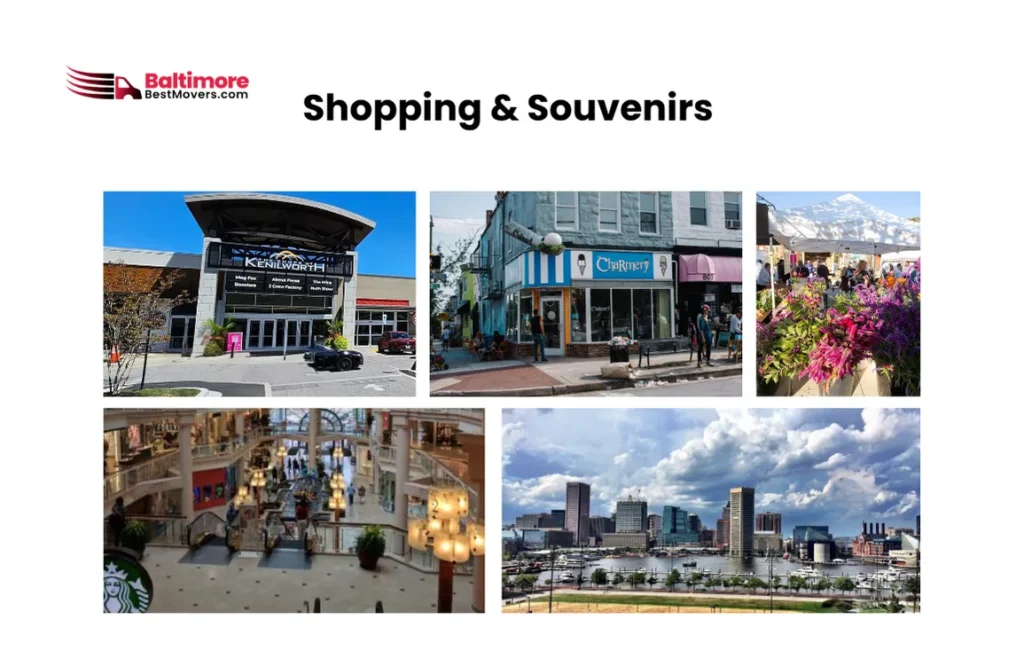
Baltimore combines historic markets, boutique districts, and specialty shops, offering visitors both practical shopping and memorable keepsakes. From handmade crafts to local foods, each destination reflects the city’s cultural character. Neighborhood stores provide eclectic finds, while major markets preserve tradition. Souvenirs often highlight Baltimore icons such as blue crabs, Berger Cookies, or sports memorabilia. Whether browsing for art, antiques, or fashion, visitors discover a mix of authenticity and creativity that makes shopping part of the travel experience.
The Shops at Kenilworth
Located just north of downtown, The Shops at Kenilworth offers Baltimore’s most stylish shopping experience. Shoppers browse designer boutiques, fine jewelry stores, and upscale home décor retailers. The elegant atmosphere, complete with polished interiors and seasonal displays, makes it a destination for luxury shopping. Anchor stores blend with independent shops to create variety. Opening hours run daily, and free parking adds convenience. The center appeals to visitors seeking high-end brands and a refined retail environment.
Hampden’s Local Boutiques
Hampden’s boutiques reflect Baltimore’s eclectic side, with colorful storefronts and independent shops lining The Avenue. Visitors find vintage clothing, handmade jewelry, artisan candles, and unique décor pieces. The atmosphere feels both quirky and creative, with murals and cafes adding character. Annual events like HonFest bring crowds who shop, dine, and celebrate local culture. Shoppers leave with one-of-a-kind treasures that reflect neighborhood personality. Hampden remains one of the city’s best places to explore authentic local style.
Baltimore Farmers Market & Bazaar
Every Sunday from April through December, the Baltimore Farmers Market & Bazaar fills the space under the Jones Falls Expressway with hundreds of vendors. Shoppers browse fresh produce, baked goods, flowers, and handcrafted art. Local musicians and food stalls create a lively community vibe. Many residents rely on the market for weekly groceries, while visitors enjoy browsing artisanal souvenirs. Free admission, easy access, and seasonal highlights make it Baltimore’s largest open-air marketplace and a local favorite.
Harborplace Shopping
Harborplace Shopping anchors the Inner Harbor with a mix of chain retailers, souvenir shops, and casual dining. Visitors pair shopping with waterfront views, browsing national brands alongside local vendors. Restaurants and food stalls offer everything from seafood to fast bites, making it a convenient stop between attractions. The location draws tourists looking for souvenirs and families seeking easy dining options. Accessible by water taxi and public transport, Harborplace remains central to Baltimore’s shopping scene.
Federal Hill Antique Shops
Nestled in one of Baltimore’s historic neighborhoods, Federal Hill antique shops offer vintage furniture, collectibles, and home décor. Many stores occupy restored rowhouses, adding charm to the browsing experience. Shoppers uncover one-of-a-kind treasures, from maritime antiques to 20th-century keepsakes. Weekends attract collectors and casual visitors alike, with antiquing tours often including Federal Hill. The neighborhood’s mix of history and style creates a unique retail atmosphere, making it a must-visit destination for vintage enthusiasts and souvenir hunters.
Unique & Off-the-Beaten-Path Activities
Baltimore rewards explorers who look beyond its major landmarks with activities that feel distinctive and authentic. Hidden gems showcase haunted history, urban gardens, vibrant murals, and social dance halls. These experiences offer visitors a fresh perspective, mixing culture, creativity, and community. Each attraction highlights Baltimore’s local character in unexpected ways, whether through spooky storytelling, artistic discovery, or quiet reflection.
Ghost Tour of Baltimore
Evening ghost tours trace Baltimore’s haunted legacy through graveyards, historic rowhouses, and centuries-old taverns. Storytellers guide participants through atmospheric streets while sharing accounts of restless spirits and mysterious events. Stops often include landmarks tied to colonial history and maritime legends. The experience balances eerie fun with factual history, appealing to fans of both storytelling and heritage. Tours run year-round, typically lasting 90 minutes, and tickets can be booked online. Advance reservations are often recommended during the fall months.
Baltimore Streetcar Museum
Inside a historic depot, the Baltimore Streetcar Museum preserves the city’s public transportation history. Visitors can view restored streetcars dating from 1859 to the mid-20th century and explore exhibits featuring photographs, tools, and memorabilia. Seasonal operations include demonstration rides on vintage electric cars. The museum serves as both an educational space and a community archive, highlighting Baltimore’s industrial past. Open most weekends from spring through fall, admission costs remain affordable, making it accessible to families and history enthusiasts.
Top of the World Observation Level
Perched atop the World Trade Center, the Top of the World Observation Level delivers unmatched views of Baltimore and its surrounding waterways. Glass walls frame the Inner Harbor, Federal Hill, and distant Chesapeake Bay. Visitors often use the space for panoramic photography and quiet reflection. Informational panels explain visible landmarks, adding educational context to the scenery. Open most days with extended weekend hours, admission is modest. Sunset visits offer particularly dramatic views and memorable photo opportunities.
Mobtown Ballroom Swing Dance Lessons
Mobtown Ballroom combines vintage style with energetic dance culture, offering swing dance lessons for all skill levels. Beginners learn basic steps, while advanced dancers practice intricate moves in a lively social setting. Weekly events include live bands and DJ nights, encouraging participants to enjoy both performance and practice. The ballroom’s warm atmosphere appeals to young professionals and longtime dance enthusiasts alike. Class schedules, ticket prices, and workshop details are posted online, making planning easy for newcomers.
Urban Gardens Exploration
Scattered throughout Baltimore, urban gardens create peaceful escapes amid city streets. Cylburn Arboretum showcases landscaped grounds and historic buildings, while community gardens highlight sustainability and local farming initiatives. Seasonal blooms transform these spaces into colorful retreats ideal for quiet walks and picnics. Educational programs teach visitors about native plants and environmental care. Most gardens remain open during daylight hours with free or low-cost entry, providing easy access for families, students, and travelers seeking relaxation within natural surroundings.
Street Art Murals Tour
Walls across Baltimore burst with creativity on street art tours that feature colorful murals by local and international artists. Guides explain the history and meaning behind works covering themes of identity, culture, and activism. Notable locations include Station North Arts District and Highlandtown, where public art enlivens warehouses and rowhouses. Tours often include photography stops and artist spotlights. Scheduled year-round, these experiences highlight how art transforms public spaces, creating both community pride and an evolving cultural landscape.
Historic Cemetery Walks
Baltimore’s historic cemeteries provide reflective spaces where art, architecture, and history intersect. Green Mount Cemetery includes Gothic-style monuments and the graves of notable figures such as Johns Hopkins and Elijah Bond. Westminster Hall and Burying Ground is linked to Edgar Allan Poe, attracting literary admirers worldwide. Guided tours reveal stories of civic leaders, veterans, and artists. Walks are offered seasonally, with cemetery hours generally limited to daylight. These quiet grounds connect visitors to the city’s deeper historical narrative.
Nightlife & Evening Activities
Baltimore comes alive after dark with an exciting mix of bars, live music venues, and waterfront gatherings. Visitors can enjoy everything from historic pub crawls to modern entertainment complexes. Jazz clubs set a sophisticated mood, while harbor cruises offer peaceful views of the skyline. Whether seeking energetic nightlife or relaxed evening leisure, the city delivers options that showcase its cultural flavor. Baltimore’s evening scene ensures that every night can feel like a celebration.
Fell’s Point Pub Crawl
Historic Fell’s Point offers cobblestone streets filled with pubs, taverns, and craft beer bars. Guided pub crawls highlight the neighborhood’s maritime past while introducing visitors to popular local spots. Each stop combines historic charm with lively conversation and music. The waterfront location adds to the atmosphere, making it a favorite for both locals and tourists. Evening hours are especially vibrant, with themed events often running throughout the year. Fell’s Point remains a cornerstone of Baltimore nightlife.
Power Plant Live! Entertainment Complex
Steps from the Inner Harbor, Power Plant Live! combines multiple venues into one energetic entertainment hub. Visitors choose from nightclubs, restaurants, and live music spaces that stay active late into the evening. Seasonal festivals, special concerts, and themed parties draw large crowds. The open-air courtyard creates a lively central gathering point. Cover charges vary by venue, but packages often include multiple access options. Power Plant Live! continues to rank among the most popular nightlife destinations in Baltimore.
Local Jazz Venues
Baltimore’s jazz clubs provide a more intimate setting for evening entertainment. Venues such as Keystone Korner and Caton Castle present live performances from acclaimed musicians and emerging artists. Smooth rhythms and soulful sounds create a relaxing environment, perfect for late-night gatherings. Visitors enjoy small-plate menus and curated drink selections that complement the music. Regular schedules feature both weekend showcases and weeknight sets. Jazz remains a defining part of Baltimore’s cultural identity, offering evenings filled with style and sophistication.
Harbor Sunset Viewing
Scenic harborfront locations transform into gathering spots during sunsets. Federal Hill Park, Inner Harbor promenades, and waterfront restaurants provide panoramic views of the skyline reflecting on the water. Couples, families, and photographers gather to capture the colorful horizon. Many visitors pair sunset viewing with dinner at nearby restaurants or a relaxing stroll along the harbor. The experience highlights Baltimore’s natural beauty in a calm setting, offering an alternative to louder nightlife while maintaining evening appeal.
Evening Harbor Cruises
Boarding an evening harbor cruise offers one of the most memorable ways to experience Baltimore at night. Boats sail past illuminated landmarks, including Fort McHenry and the USS Constellation, while providing sweeping views of the skyline. Options range from sightseeing trips to dinner cruises with live music. Cruise durations typically run one to two hours, making them easy to add to an evening itinerary. Ticket prices vary, with reservations recommended. These cruises blend relaxation with scenic discovery.
Thinking About Moving to Baltimore?
Exploring Baltimore’s museums, parks, and historic districts often leaves visitors imagining life as a local. Neighborhoods such as Fell’s Point, Hampden, and Mount Vernon provide charm and character, while the Inner Harbor delivers waterfront access, dining, and entertainment. Families are drawn to educational attractions like the Maryland Science Center and the National Aquarium, while young professionals value the city’s cultural vitality and central Mid-Atlantic location. Together, these features make Baltimore an appealing place to call home.Relocation involves more than choosing a favorite neighborhood. It requires trusted support to make the transition seamless. From packing and transport to settling into a new community, professional guidance ensures a smooth start. For those planning a move, professional Baltimore movers offer reliable services tailored to the city, helping newcomers establish roots while continuing to enjoy the attractions that define “Charm City.”


